Hardware Wallets
Hardware Wallets - good or bad?
Hardware wallets used to be considered the shining path to secure self custody of cryptocurrency. That idea has not held up well over time. We now realize that hardware wallets come with their own set of dangers that should make everyone question their usefulness.
Why do people like hardware wallets?
A couple of points need to be made before diving in. Keeping your private keys on a separate device whose purpose is to never allow them to leave the device is a strong security move. A lot of malware looks for private keys in memory or on disk, and when you construct and sign a transaction you must use that private key. If this is done on a device that you use for other things then you're maintaining a juicy attack vector.
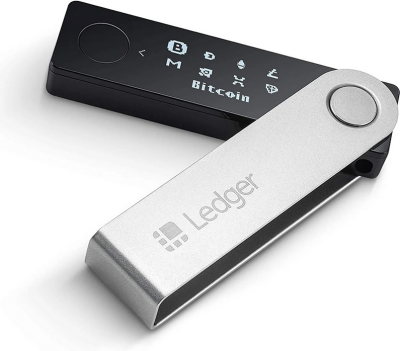
The approach is valid. Reducing the secrity issues around managing private keys to a physical security problem is a good strategy in general, since physical security has been well understood for a very long time. People understand physical security issues and strategies. The idea that you can have a device that in theory you could simply toss into a bank lock box is appealing.
Why not hardware wallets?
Ledger hardware modification attacks are a thing, for starters. Ledger is investigating reports of funds stolen from wallets linked to devices sold by Southeast Asian reseller CryptoBilis. Ledger confirmed finding an unauthorized hardware implant in a device linked to the incident, but has not publicly confirmed exactly how the implant worked.
Attackers bought a reseller, and began to sell secretly modified wallets that were malicious, resulting in more than $86 million USD. Read more about it here
The takeaway is that resellers pose a threat, since they could have modified the device. This specific attack didn't show it, but supply chain attacks are possible for hardware as well as software. Ledger purchases hardware to use, and hopes for the best.
Another threat is customer database breaches. If you purchase a hardware wallet, they likely have records with your identifying information. That probably includes shipping address. The wise strategy is to ship to a PO Box so an attacker with abreach data cannot show up at your home.
That data potentially puts you at risk for a "$5 wrench attack". In fact we've seen some in France and USA that are probably related. Unfortunately buying a hardware wallet means your name is on their customer list just waiting to be stolen.
What is the best solution?
If you're going to use a hardware wallet, use one from a company that's been around, and do not give them your real information. There's not much you can reasonably do to be safe from attacks on their hardware TBH.
If you're going to use software wallets, be very careful about where those wallets run. Wallets do not contain money, they manage keys. Keep that wallet software on a dedicated device! You can use a cheap laptop and treat it like a hware wallet - do not install other software on there. DO not play games on there, do not let your kids use it. Do not do ANYTHING else with that device, just update the operating system and wallet software.
Use your judgement. If you have a lot of cryptocurrency, your threat model likely involves criminals stealing it from you. If you have just a tiny bit to play around with, don't worry. You can afford to learn these lessons the hard way!